Your adhesive is not drying. It is hydrating, and the weather sets the clock.
Tile adhesive drying time is not on the bag. How humidity and temperature slow hydration, when to grout, and why 23 °C on the datasheet is not your site.
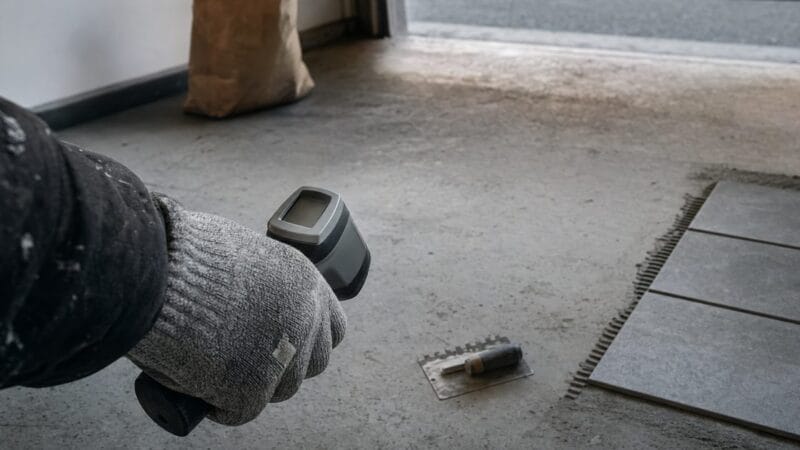
Tile adhesive drying time is not on the bag. How humidity and temperature slow hydration, when to grout, and why 23 °C on the datasheet is not your site.

Two straits at war in 2026 squeeze construction-chemical feedstock - the binder in your tile adhesive - at source, not just freight. What moved, what did not.
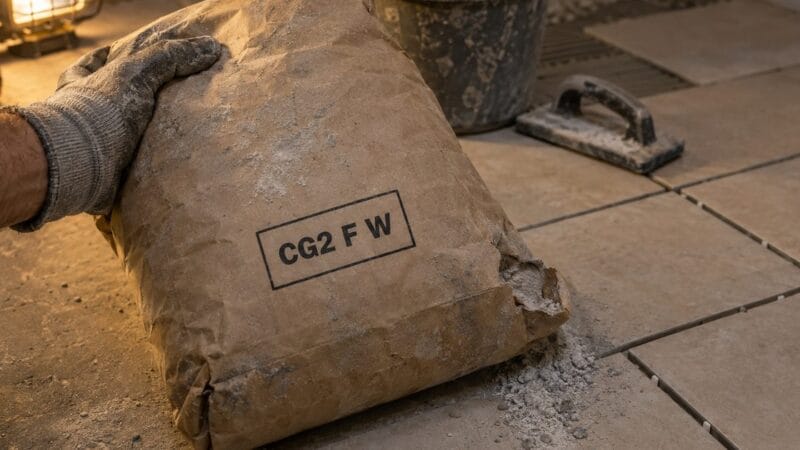
Grout classification without the mystery: what CG1, CG2, W, A, F and RG certify on the bag - and why the EU, US and Indian standards do not convert.
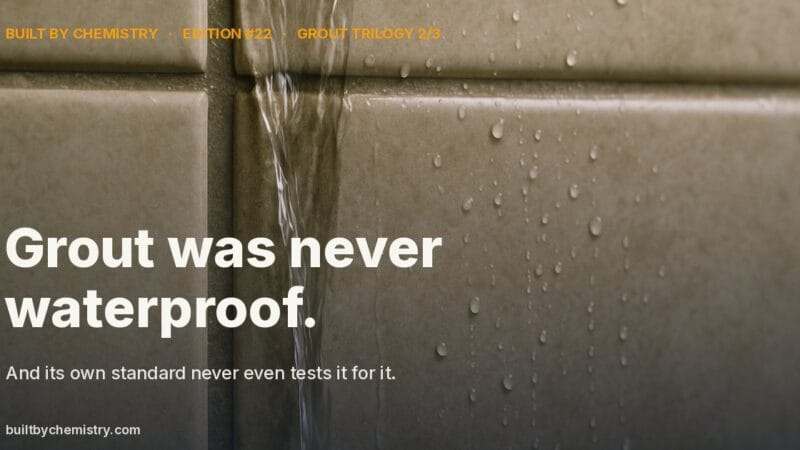
Tile grout is porous by design - its own standard never even tests it for waterproofing. What the W class really buys, and what keeps water out.
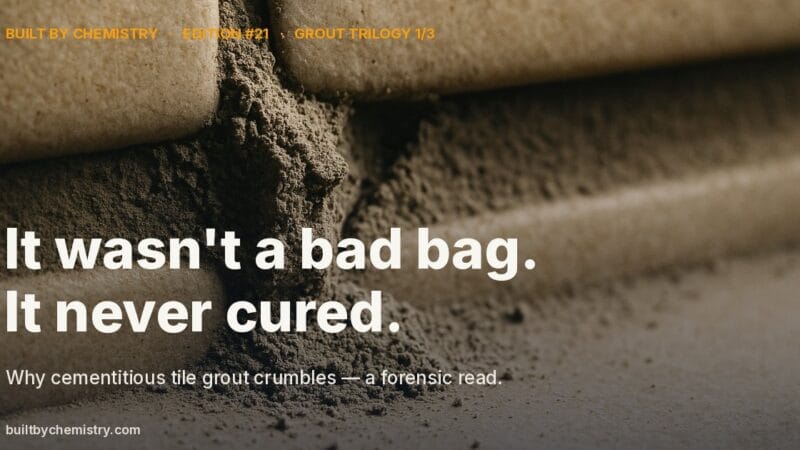
Crumbling, powdery grout is almost never a bad bag. The joint is the hardest place in the whole system to cure - why it happens, and a 30-second site test.
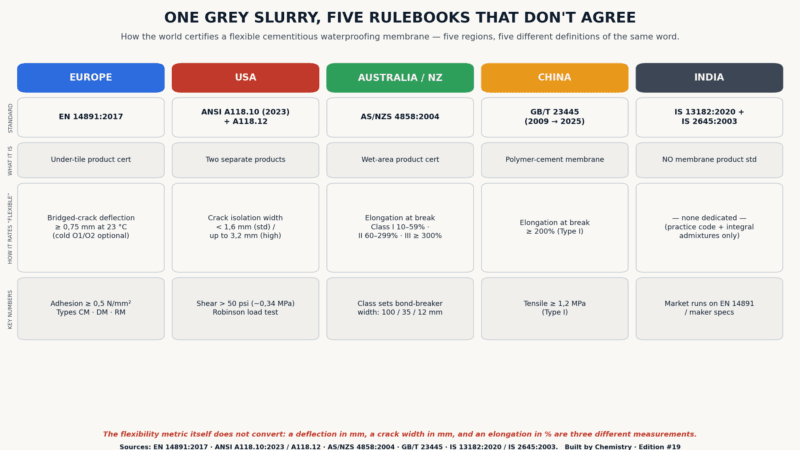
EN 14891, ANSI A118.10, AS 4858, GB/T 23445 and India's IS codes each rate a cementitious waterproofing membrane differently - "flexible" doesn't convert.
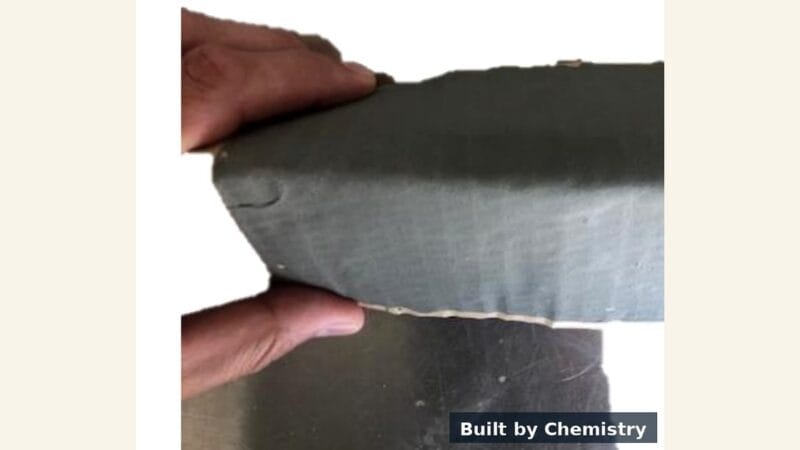
20% polymer, one grey slurry, flexibility built on site - how a cementitious membrane earns "flexible" under EN 14891, and where the class breaks.
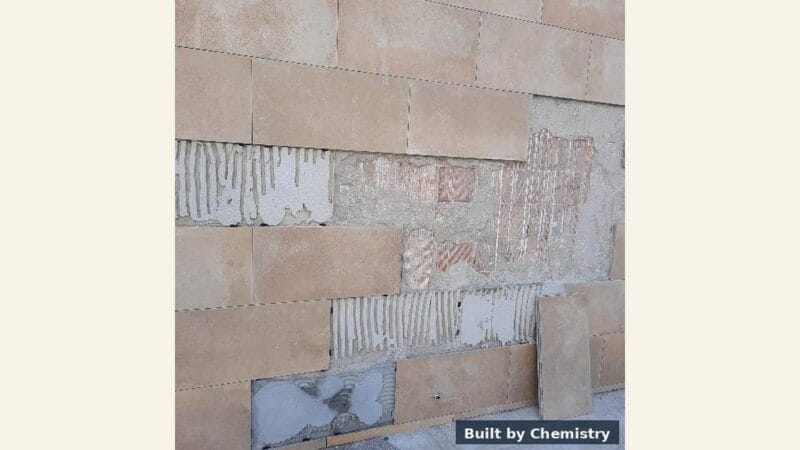
A tile-adhesive failure is almost never the bag. Lift a bonded tile, read its back, and the wall shows who lost it: coverage, open time or water.
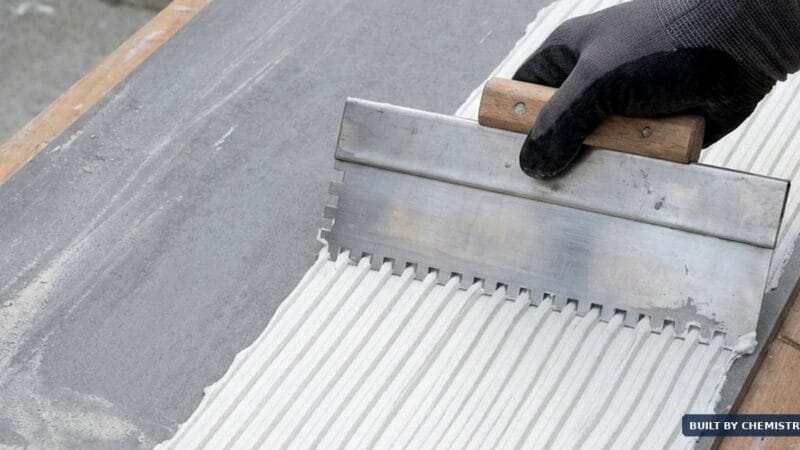
Open time, setting time, pot life, adjustment time - four clocks tile-adhesive markets run as one. Where the 30-minute number quietly breaks.
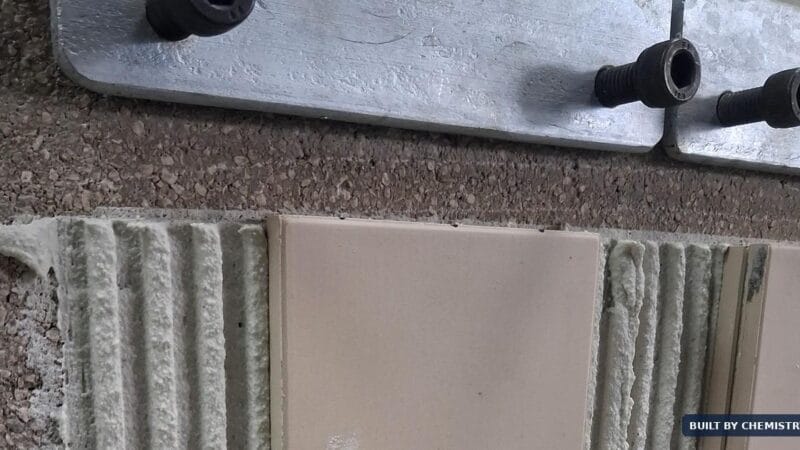
Thixotropy is why a tile holds on a wall and spreads under the trowel. The rheology, the yield stress that carries the tile, and why datasheets lie at 35 °C.
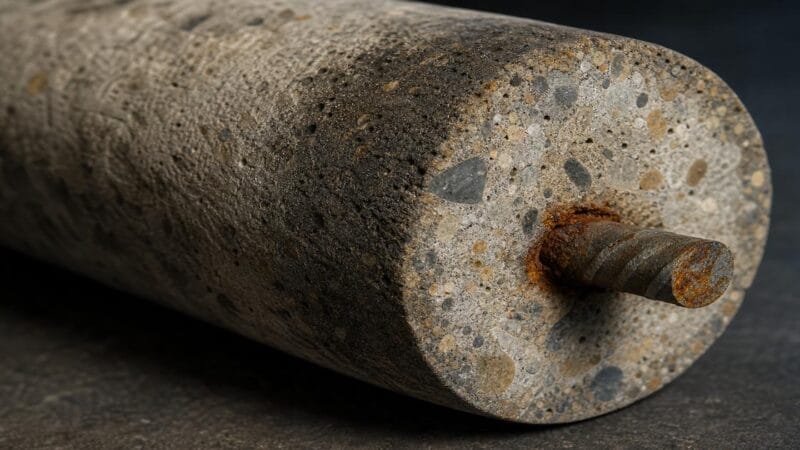
Concrete cover controls when chloride corrosion starts. Why doubling it quadruples the clock, what IS 456 requires, and how to read EN 1504 repair classes.
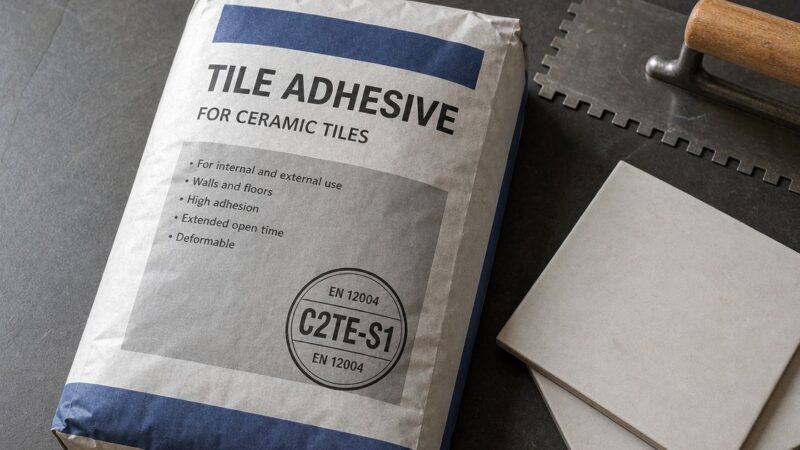
6 characters, 8 test methods, 1 tile adhesive class. C2TE-S1 decoded line by line - and the failure on site it quietly prevents. EN 12004.
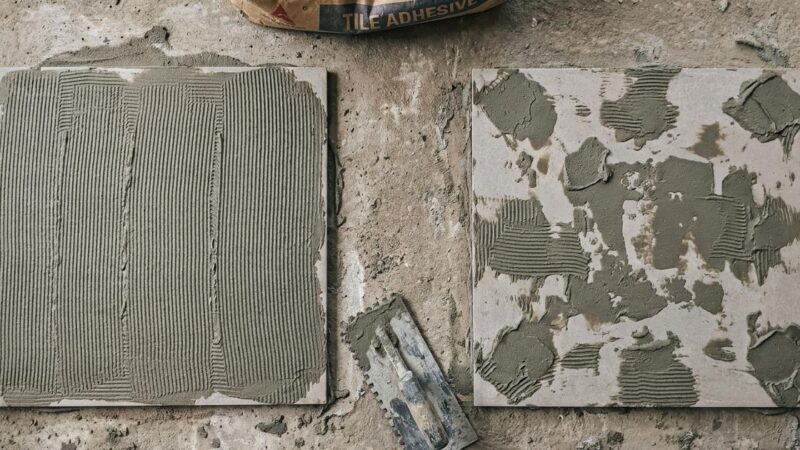
When single buttering stops working: the tile-size threshold for double buttering, and why most tender specs miss it.
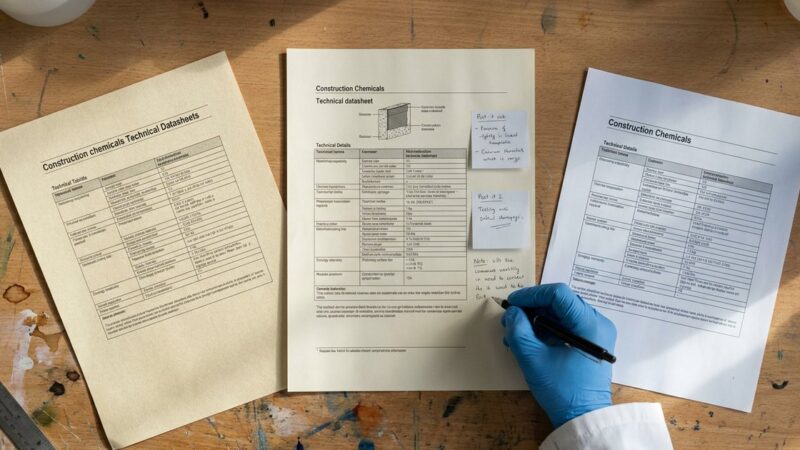
Every construction chemicals datasheet tells you what the manufacturer wants you to know. Five things they leave out, and how to spot them before you specify.
We use cookies to understand how readers use BBC and improve the newsletter. Read our Cookie policy.
Have a paper or a site failure the industry should know about?
We publish contributions from R&D chemists, field engineers and academics. Full byline, no brand ties.
Contribute →