Grout was never waterproof - and never had to be
Tile grout is porous by design - its own standard never even tests it for waterproofing. What the W class really buys, and what keeps water out.
Part of the Construction Chemicals hub — the parent category for every BBC cluster.
Waterproofing systems are the layers a building relies on to keep water out — and, uniquely among construction materials, they are judged not by how they perform in the middle but by how they behave at their edges. This pillar covers two technically distinct domains under one heading: flat-roof waterproofing, where the water arrives from above, and below-grade waterproofing, where it presses in from the soil under pressure. The chemistry, the standards and the failure modes differ between them, but the underlying discipline is the same.
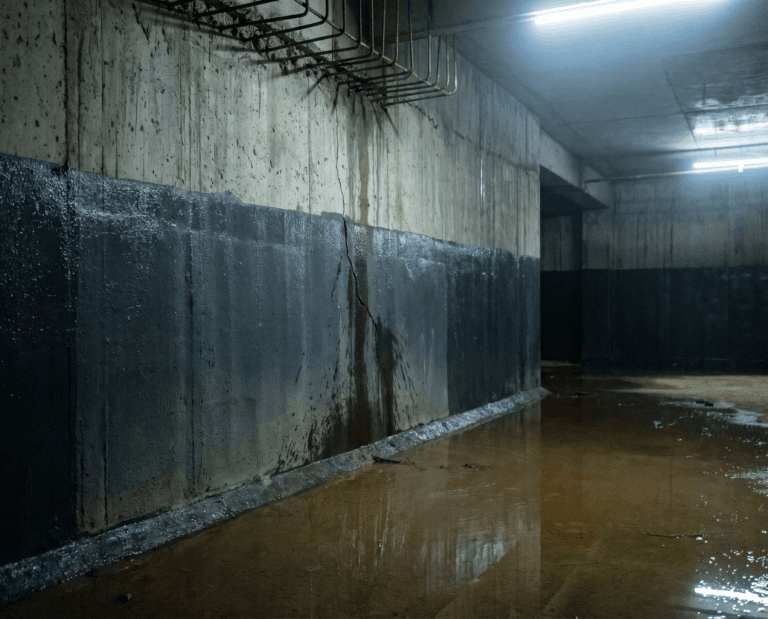
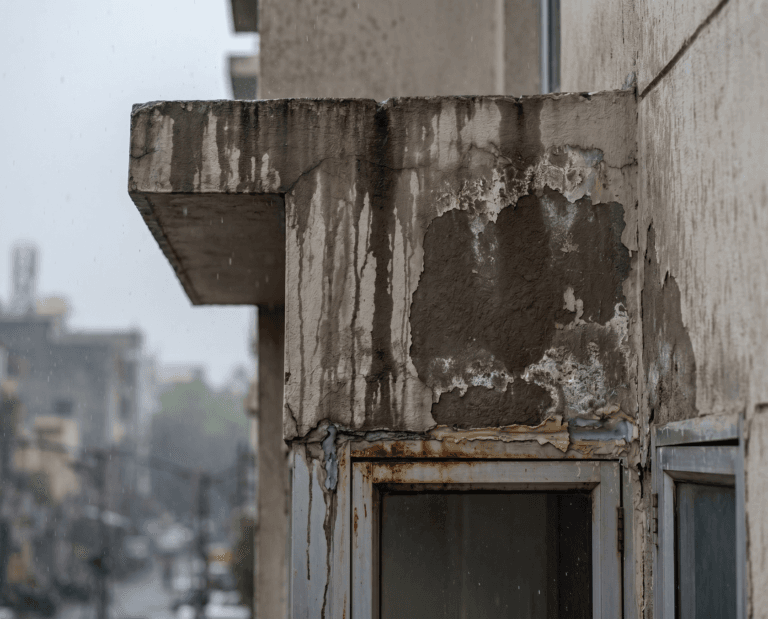
Here is the thesis that ties the whole cluster together: waterproofing systems do not fail in the sheet — they fail at the interface. The membrane itself almost always passes its pressure test in the laboratory. What leaks is the lap where two sheets overlap, the collar around a pipe or drain, and the transition where the flat deck turns up a vertical wall. Across four editions and both domains, the water finds the join, not the field.
A waterproofing system is not a single product but a class of barrier, and there are three families in common use. Positive-side liquid membranes are polymer or polymer-modified coatings — brushed, rolled or sprayed onto the outer face — that cure into a seamless film. Sheet membranes are pre-formed rolls of HDPE, PVC or bitumen, lapped and welded or self-adhered. And integral or crystalline systems work from inside the concrete itself: an admixture dosed into the mix that grows insoluble crystals to block the capillary pores, so the concrete is the barrier rather than carrying one.
Each family has its own reference standard, and the standards are worth knowing because they define what "waterproof" actually means. EN 1928 is the hydrostatic head test for flexible sheets — the pressure test the field of the membrane almost always passes. EN 14891 governs liquid-applied membranes used beneath ceramic tiling. DIN 18533 classifies below-grade waterproofing by water load, and BS 8102 sets three grades of protection for basements by how dry the finished space must stay. The reason a roof can pass EN 1928 and still leak is decoded in the edition on flat roof waterproofing failures under EN 1928.
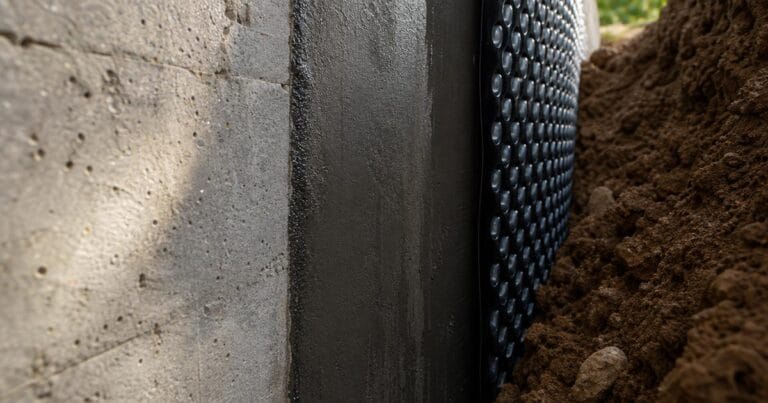
Below ground, the three families reappear as three strategies against a harder enemy — water under permanent hydrostatic pressure. A crystalline admixture in the concrete mix seals the body of the wall from within. A polymer-modified cementitious (PMC) liquid membrane on the positive face forms a continuous outer skin. A sheet membrane, typically HDPE, is mechanically fixed or self-adhered outside the wall. Each solves the field of the wall; none, on its own, solves the joints.
The load itself is graded. DIN 18533 defines four water load classes, from W1-E — capillary moisture and non-pressurised seepage — up to W4-E, permanent contact with a pressurised water column. A specification that names a product but not the water load class has answered half the question. Getting that half wrong is why redundancy sometimes fails even when two systems are present, the subject of the edition on hybrid basement waterproofing and when redundancy fails.
And the load can be enormous. A basement wall below the water table sees a hydrostatic head measured in metres of water — pressure that a national standard may not even require a product to be tested against. What the pressure test measures, and the gap it leaves in some codes, is the theme of the edition on hydrostatic head testing under EN 1928.
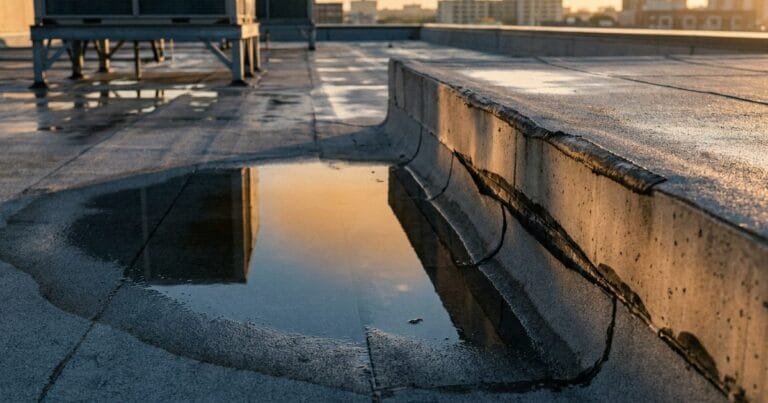
On a flat roof the failure geometry is boringly consistent, and it is never the middle of the sheet. Three details account for the overwhelming majority of leaks: the lap or seam where two membranes overlap; the penetration — a pipe, a drain, an HVAC curb — where the membrane has to be cut and re-sealed; and the vertical transition where the deck membrane turns up a parapet or upstand. The membrane passes EN 1928 in the lab, and then the interface fails within a few years on the roof.
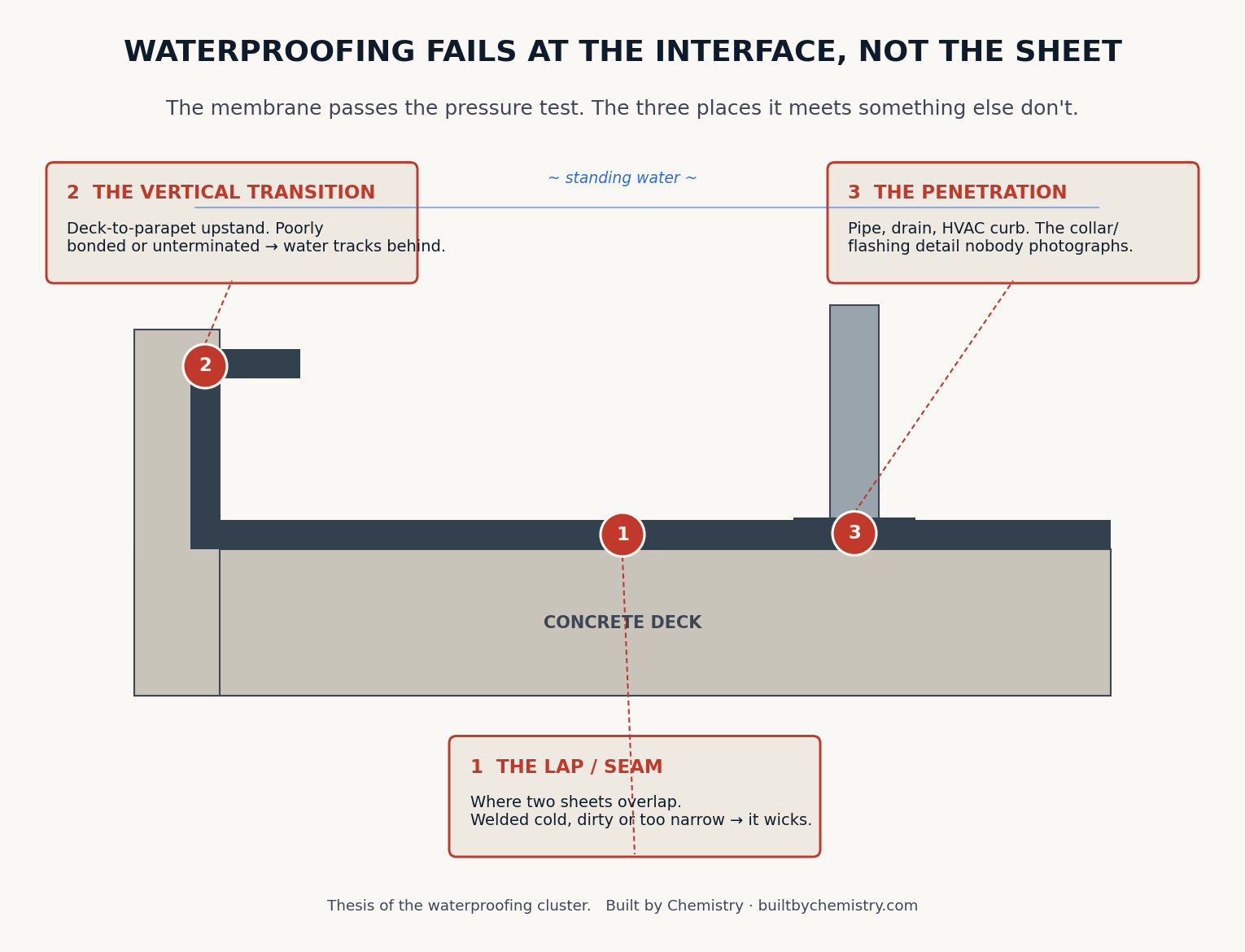
The three cases decoded in the flat-roof edition all share this pattern; the classification of roofing failure modes in the peer-reviewed literature (Silvestre & de Brito) points the same way. The failure is rarely a defect in the membrane's chemistry and almost always a defect in how the join was made — a lap welded cold or too narrow, a collar detailed by eye, an upstand left short or unbonded. The point is set out in the three flat roof failure modes decoded.
Product selection compounds or contains the problem. A large roof moves — thermally and structurally — and demands a flexible, high-elongation membrane that can bridge cracks and absorb that movement without splitting. Water-based styrene–acrylic elastomeric membranes, for example, form seamless layers that accommodate substrate movement and retain crack-bridging capacity under thermal cycling (Kontiza et al., 2026). The property that matters here is not raw elongation but crack-bridging under cyclic load — the membrane must span a moving crack thousands of times without fatiguing, which is a harder test than stretching once to failure. Semi-rigid cementitious systems, by contrast, belong to small, dimensionally stable areas — bathrooms, kitchens, minor repairs — not to a moving roof. Choosing a rigid product for a large flexing deck is a specification failure before a single litre is applied, and no quality of workmanship at the seams can rescue it afterwards.
A waterproofing specification that holds up asks three questions before anyone opens a pail:
The stakes reach beyond the leak itself. The same water that defeats the envelope carries the chlorides that then attack the reinforced concrete behind it — and, because chloride ingress follows Fick's second law, doubling the concrete cover buys roughly a 6,25× longer time to corrosion, a reminder that the membrane and the structure it protects are one problem, not two. The recurring pattern across cases is documented in the waterproofing failures pattern across three cases.
Pull the four editions together and one conclusion holds in both domains: the film passes the test; the interface does not. Below grade it is the construction joint and the service penetration; on the roof it is the lap, the collar and the upstand. In every case the membrane's own chemistry is sound and the join is where the water gets through.
Which is why the most decisive variable in waterproofing systems is not the product at all — it is the quality of the application and the correct selection of product for the exposure. The most probable cause of a failed system is applicator negligence or inexperience at exactly these details, not a fault in the roll or the pail. A flexible membrane on a moving roof, an upstand fully bonded and terminated, a lap welded clean and wide, a penetration collar detailed and tested — these are what keep water out, long after the datasheet has been filed. The barrier is only ever as good as its weakest join.

Related pillars: the chloride ingress and repair-mortar work closes the below-grade loop in the concrete-cover cluster — see Tile Adhesive Technology for the parallel decoding of adhesive class codes, and Tile Adhesive Application for the site-level QC methodology.
Related reading: why tile grout was never the waterproof layer - the joint manages water, the membrane stops it.
Tile grout is porous by design - its own standard never even tests it for waterproofing. What the W class really buys, and what keeps water out.

With no product standard and an 81%-unskilled workforce, who buys India's most chemically loaded waterproofing membrane - and why it quietly pays off.
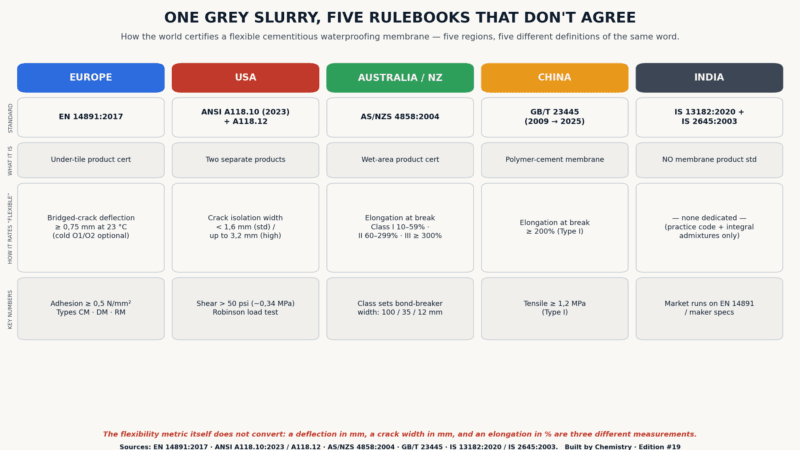
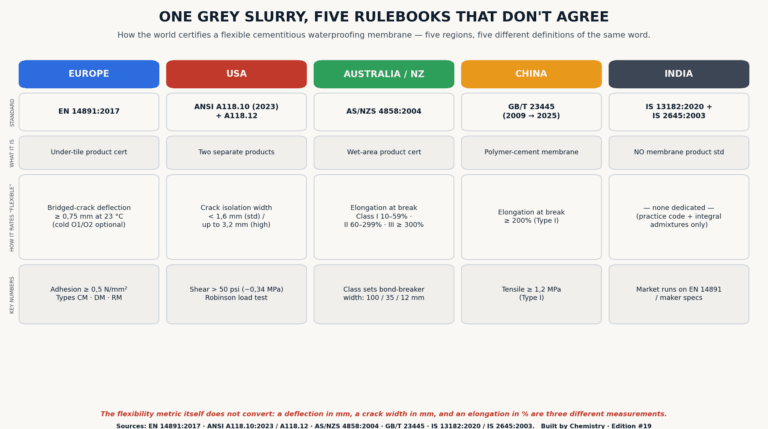
EN 14891, ANSI A118.10, AS 4858, GB/T 23445 and India's IS codes each rate a cementitious waterproofing membrane differently - "flexible" doesn't convert.
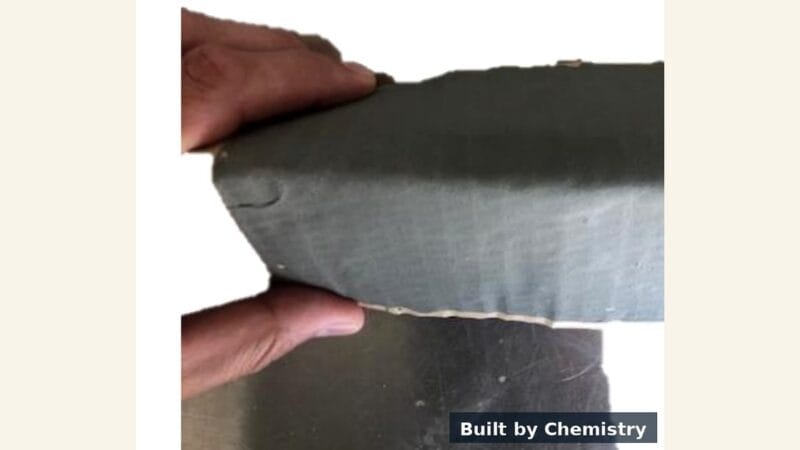
20% polymer, one grey slurry, flexibility built on site - how a cementitious membrane earns "flexible" under EN 14891, and where the class breaks.
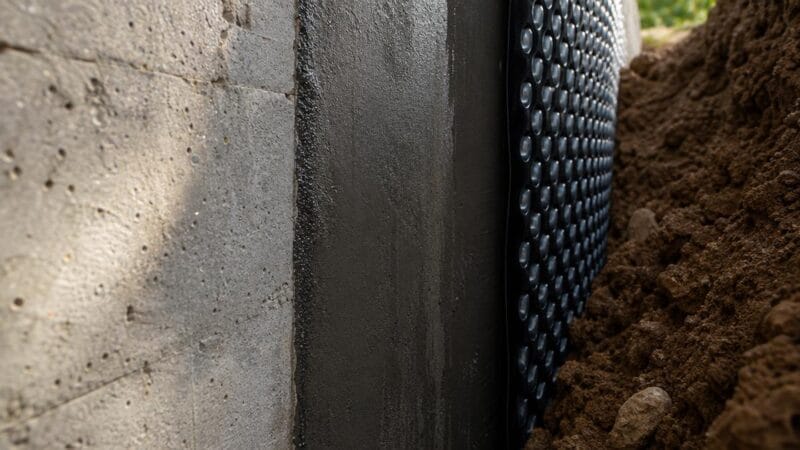
Crystalline admixture plus liquid membrane in a basement wall. When redundancy works, when both fail together, and the sequence that decides between them.
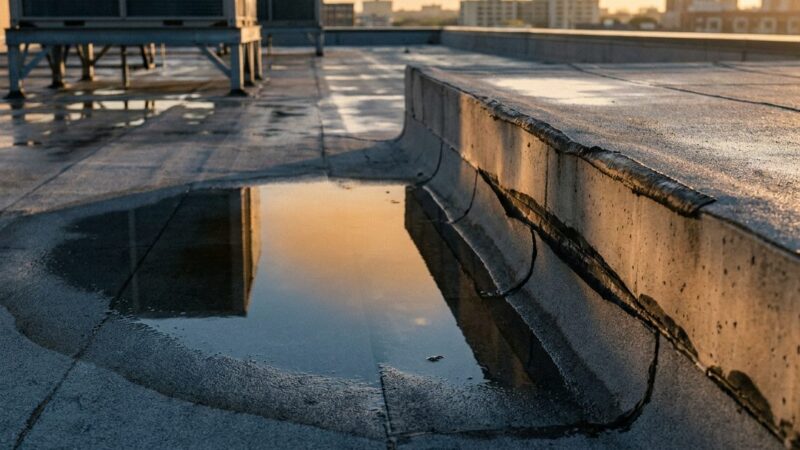
Flat roof waterproofing: 3 failure modes procurement misses. The membrane passes EN 1928, the seam and interface fail in 3 years. What to specify instead.
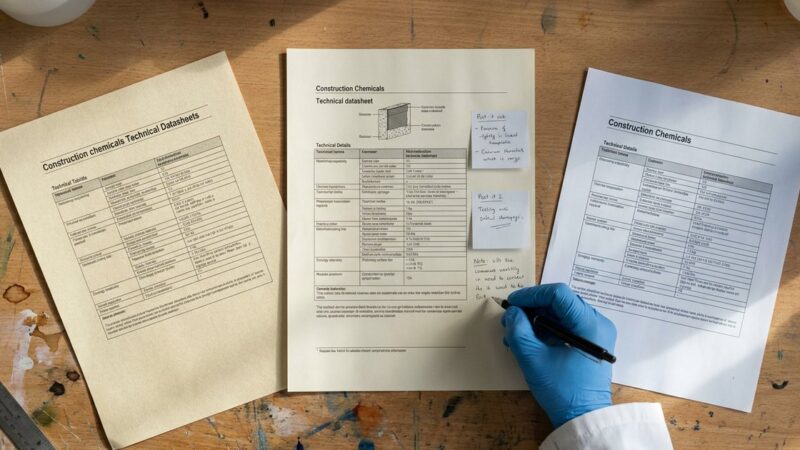
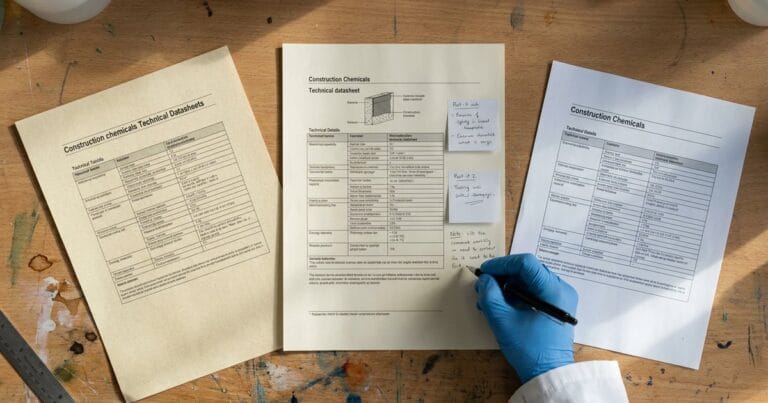
Every construction chemicals datasheet tells you what the manufacturer wants you to know. Five things they leave out, and how to spot them before you specify.
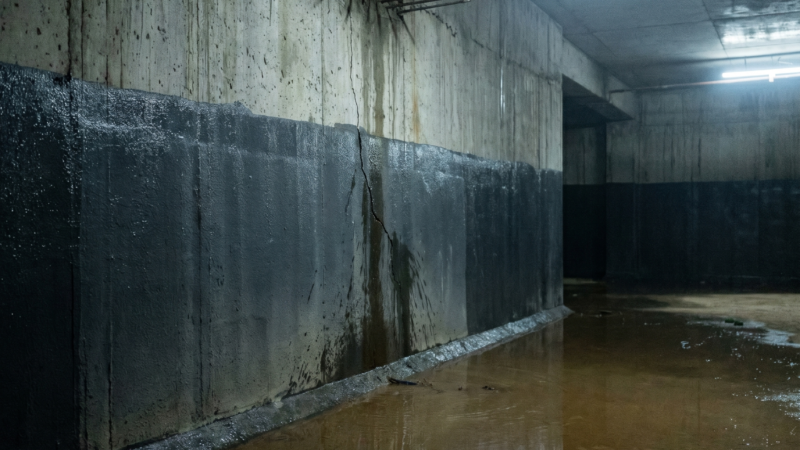
Hydrostatic head testing on basement membranes: what IS 3067 and DIN 18533 W2-E actually measure, and why site results do not match datasheet claims.
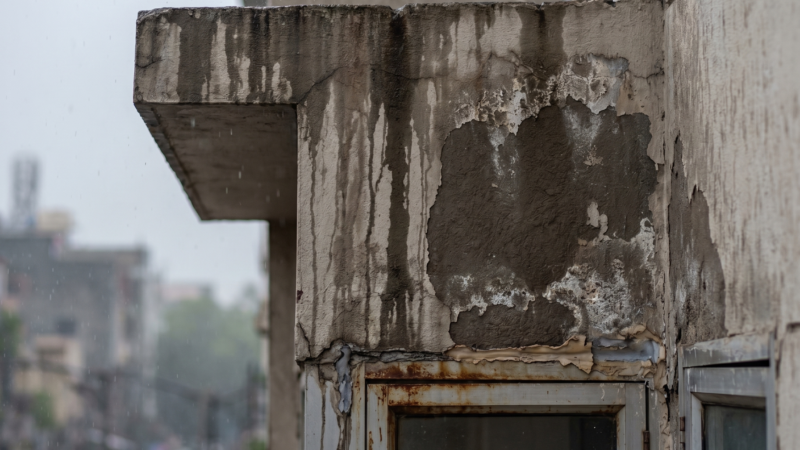
Waterproofing fails across India. Almost never because of the membrane. Three real failures, three real causes, from Delhi to Rajasthan.
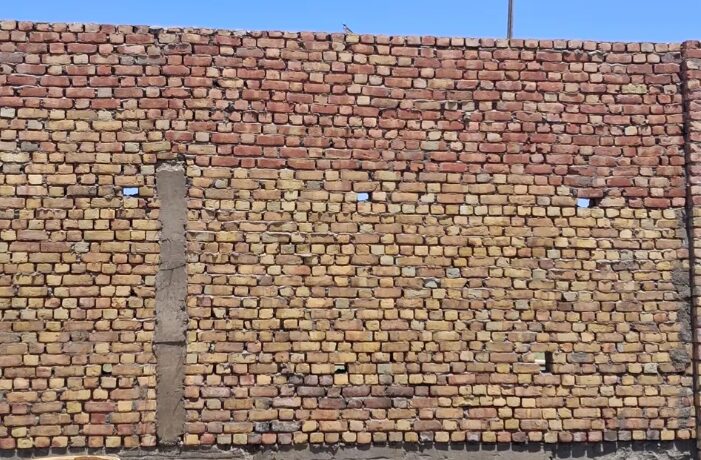
Three repair attempts on the same wall. Three failures. The chemistry of why waterproofing keeps failing, and what the contractor kept getting wrong.
We use cookies to understand how readers use BBC and improve the newsletter. Read our Cookie policy.
Have a paper or a site failure the industry should know about?
We publish contributions from R&D chemists, field engineers and academics. Full byline, no brand ties.
Contribute →